

Ten Nutritionist Tips to Keep Flavor High, Sodium Low in Your Holiday Feasts

[vc_row css_animation=”” row_type=”row” use_row_as_full_screen_section=”no” type=”full_width” angled_section=”no” text_align=”left” background_image_as_pattern=”without_pattern”][vc_column][vc_column_text]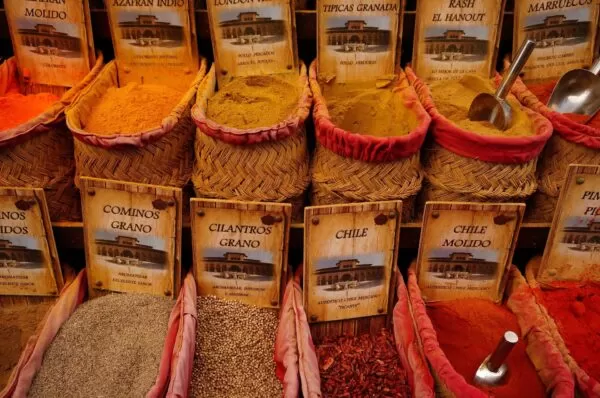 Our favorite holiday foods and snacks often are jam-packed with sodium. This adds taste, but it also can burden your body. The body needs sodium and water … a balance … to work right. But too much salt causes the body to retain water, which gives our hearts and blood vessels more work. This, in turn, can lead to high blood pressure. According to the American Heart Association, the average American consumes 3,400 mg of sodium a day when we should eat less than 1,500 mg a day. The Academy of Nutrition and Dietetics recommends a range of 1500 to 2300 mg daily.
With our bodies salt-hungry, it’s hard to calm the crave for salt. But when we start to reduce our salt intake, other flavors come alive.
- Read food labels: You’ll want to buy foods with less than 300 mg of sodium per serving. (Salt (NsCl), MSG (monosodium glutamate), baking soda and powder, disodium phosphate, anything with Sodium or Na).
- Go fresh: Take the processed foods out of the equation. Buy fresh when available. Anything canned or processed will have more salt. If you don’t have time to prepare fresh buy plain frozen vegetables, they have no sodium added. Buy in-season fruits, vegetables, and fish to eat healthier and reduce sodium.
- Rinse and Dilute Prepared Vegetables and Soups: Just by rinsing canned vegetables and beans, you can wash away loads of salt. Rinsing can reduce the sodium by 10-20%. Dilute canned chicken broth with water or wine. Buy lower sodium canned soups and add extra fresh vegetables to add flavor.
- The Skinny on Salt: The body, after reaching a salt threshold, can’t distinguish between too much and just enough. This is great news because you won’t miss the added salt you’ve had piled in your diet. Start to reduce, little-by-little. By doing this, you’re also re-training your taste buds.
- Enjoy the wealth of spices and flavors: Rosemary, thyme, cumin, pepper, nutmeg, garlic, onions, citrus, vinegar, wines, roasted nuts … flavor your foods. Salt kills almost all flavors. While cutting back on salt, introduce your palate to some phenomenal flavors.
- Healthy oils: Olive oil, sesame oil, peanut oil … all have delicious flavors and are some of the healthiest fats on the market. Cooking with these oils introduces you to interesting flavors.
- Condiment Down: The sodium in mustard, ketchup, mayonnaise sneaks up on you. A teaspoon of mustard has about 45 mg of sodium and a tablespoon of ketchup has about 150 mg. Try the reduced salt versions or cut back by adding more flavor to the meat (rosemary, onion, garlic etc.). Be mindful of how much salt you’re adding to your foods with the extra dolup of Dijon!
- Don’t double up: Out of habit, we often double-salt our foods – adding salt to the salad when the bottled salad dressing and the Feta cheese already have salt. Or adding salt to chicken when it’s been marinating in teriyaki sauce. Be mindful of how you’re preparing your foods and find ways to keep the salt down.
- Taste it! Don’t grab the salt shaker until you’ve tasted your food. It’s often more of a habit than a necessity.
- Cut Back on Bread: Bread can be one of the main contributors of salt in our diets. A slice of sandwich bread can have about 150 mg of sodium and an English Muffin can have almost 300 mg.
This season reduce the sodium in your favorite holiday recipes by using some of the suggestions above. Experiment with new flavors – everything from garlic-infused oil to rosemary lemon chicken … and appreciate new flavors and better health.
Recommended Reading:
[/vc_column_text][/vc_column][/vc_row]