



21 Oct How to Talk to Your Child About Weight – NYC Pediatric Dietitian Tips

Our kids don’t live in a bubble. Weight talk is everywhere — in social media feeds, TV ads, magazine covers, at school with friends, and probably in their own home. Children as young as six years old talk about dieting and fear of gaining weight (which kind of breaks our heart).
As parents, if we don’t address weight and have candid, healthy conversations about it, our kids will get a lot of wacky information from everywhere else. We have the responsibility to cut through the noise and guide our kids toward developing a healthy relationship with food and body. With a multi-billion-dollar diet industry built on messaging that tells us we’re not enough (and oftentimes “too much”), addressing weight and helping kids navigate the muddle of negative information is no easy feat.
How to Talk to Your Child About Weight – Tips from a NYC Child Nutritionist:
Chances are, most of us never had weight conversations with our parents, so we don’t really know how to have them with our kids. It’s almost strange to think about how “taboo” weight can feel. But it’s just another number in our lives. Here are some tips to not only talk about weight but re-think the way we think about weight:
- What are you saying? How do you talk about weight? Do you criticize other people’s appearance, particularly weight? Do you grab your tummy and say, “Ugh … just wish I were five pounds lighter.” So much of what our kids absorb happens in our own home. They copy what they live. Analyze the way you talk about weight, fat, and thin, and consider the relationship you have developed with food and body.
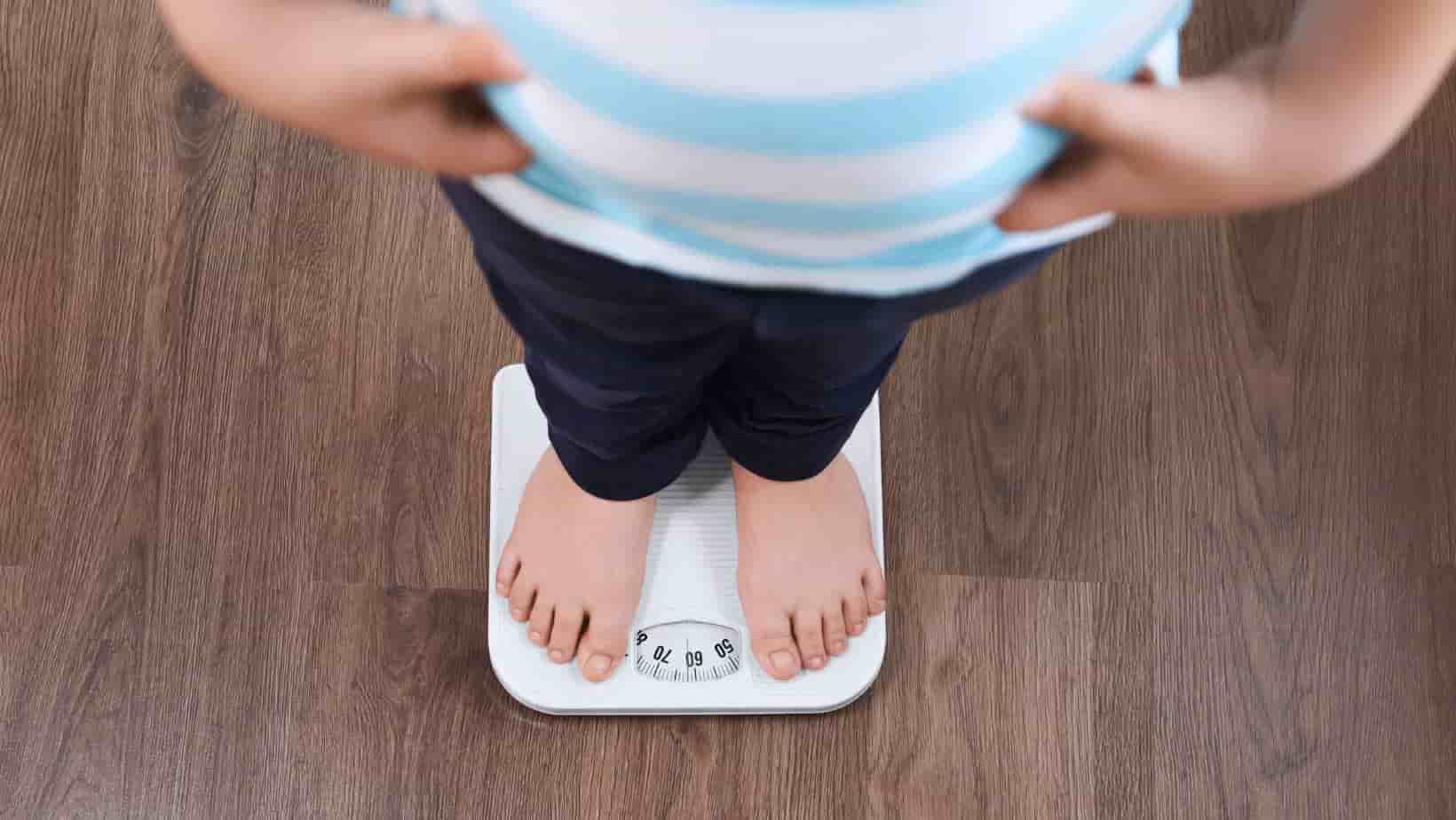
- “Weight” is not a four-letter word. Some people’s strategy is to avoid weight at all costs. But there’s no need to. Your child gets weighed at the pediatrician’s office and at school. You likely have a scale at home. Weight is a number. Talk to your child about how that number is just one way of determining whether they are healthy, just as height is. It’s a way to track growth. There will be ups and downs and fluctuations, and there is nothing to be ashamed of.
- Use the two-to-one rule (two ears, one mouth). Listen to your children and their friends when they talk. Listen to what’s not being said. Do you notice changes in the way your child eats? Are they talking a lot about “fitting” into a certain size pair of jeans (another number … ugh!). Ask, your child what they think about weight, what kids say at school, and about the social media influencers they follow.
- Small conversations work better than one big talk. The “weight talk” doesn’t have to be like the “sex talk”. Weight is part of everyday life. So, you can talk about the best ways to grow and feel healthy while cooking dinner, at the grocery store, if your child mentions their own size or someone else’s size. These are opportunities to normalize talk about weight without making it feel forced and looming.
- If you are concerned about your child’s weight, they probably are, too. So, take time to talk to them in private (not in front of siblings, during a busy dinner, or half-distracted car ride). Ask them open-ended questions: What do you think about your weight? What about the rest of us in the family? How do you think someone feels when others call them fat (or skin-and-bones)? Why do you think everybody talks about losing weight? Why do you think doctors and nurses care about your weight? This is the only way to understand what they are thinking and feeling.
- Work with your pediatrician and child nutritionist. Sometimes weight talk can feel overwhelming. By working with a child nutritionist, you can get the tools you need to talk to your child about weight and work together to shift the conversation from weight to health.
Children are incredibly bright and absorb everything. By creating a safe place where your child can discuss their feelings and thoughts, you can give them the tools they need to build a healthy relationship with food and body. These conversations are necessary and important. Don’t leave them to some random teenage or Hollywood influencer. You are your child’s most important guide (even when you don’t think so), and you can get them on the right path to help them understand that their value goes way beyond a number.
