



03 Oct Understand How to Read Food Labels from NYC Nutritionist and Dietary Coach

Numerous studies emphasize the link between ultra-processed foods, weight gain, and reduced lifespan. Regrettably, convenience has eclipsed nutritious options. In the US, urban areas now house more convenience stores than supermarkets or farmer’s markets, while the sugar industry’s predatory practices persist. Remember, sugar remains a primary cause of chronic disease and cancer in the US.
Nonetheless, it’s essential to acknowledge that not all processed foods are detrimental. Processed merely implies alterations from a food’s natural state. Everyday foods like applesauce, pasteurized milk, canned veggies, and even feta cheese (unless you’re tending goats in your yard) are classified as processed.
So, in a world that’s pushing quick, fast, and tasty (debatable), how can we learn to eat for health (with a budget) and reach weight loss and wellness goals?
The first step is becoming savvy about what we consume.
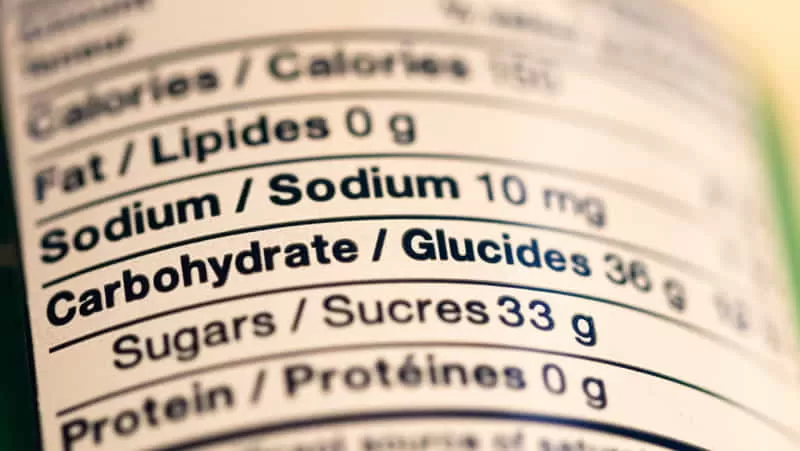
Developing label literacy is critical to making informed choices.
- Assess the calories: Match the total calories per serving with your daily needs.
- Prioritize essential nutrients: Favor nutrients like fiber, vitamins, and minerals, while minimizing saturated and trans fats, sodium, and added sugars.
- Consider % Daily Value: Indicates nutrient content per serving compared to daily requirements. Opt for higher % DVs of necessary nutrients and lower % DVs of others.
- Watch out for added sugars: Examine ingredients for sugar, corn syrup, and sweeteners. Their position indicates quantity. Americans exceed recommended sugar intake. Know your sugar aliases: corn syrup, honey, molasses, etc. The American Heart Association advises ≤6 added teaspoons for women, ≤9 for men (equivalent to 24 and 36 grams of sugar each day, respectively).
- How many ingredients are there? Longer lists denote higher processing. Avoid highly processed foods. Choose items with recognizable, pronounceable ingredients.
- Check allergens: If allergies or intolerances exist, read for allergen or cross-contamination alerts.
Time to retrain family taste buds. Sugar and salt mask flavors but are unhealthy.
- Experiment with rosemary, thyme, oregano, and basil for zest. Bring on the spices!
- Integrate Mediterranean flavors.
- Keep fruits and veggies cut up in the fridge, ready to eat with yogurt dips or hummus.
- Kids’ menus often feature fried fare. Encourage culinary exploration for kids by trying diverse flavors and textures.
Beware of the beverage! Juices and coffees and smoothies, oh my! Certain drinks hold up to 2.5 days’ worth of sugar, even without other added sugar intake. Here are some favorites that can cause a sugar overload.
- Starbucks Bottled Mocha Frappuccino: 31g sugar (7g above daily recommendation). 16oz. vanilla Frappuccino: 67g sugar (light version: 39g). Chocolate milk bottle: 26g sugar.
- Think before you drink! Understanding what those numbers mean can be hard. Visualize the quantity of sugars you’re consuming. For every four grams of sugar (on the label), put a teaspoon of sugar in a glass. Take a sip of your favorite soda, such as Coca-Cola (39 grams of sugar). Now, add those 10 teaspoons of sugar to a cup of water and sip. See how the manufacturer alters the product to make it palatable for our taste buds. Ugh.
Nutrition education is a key piece of nutrition counseling and coaching. Empowering our patients to make the best dietary choices to improve their wellness and help them reach weight loss goals begins by understanding what they’re consuming. Understanding consumption transforms shopping and meal choices. Education is the gateway to health.