



10 Apr Tips to Reduce (Even Erradicate) Food Waste from NYC Dietitian

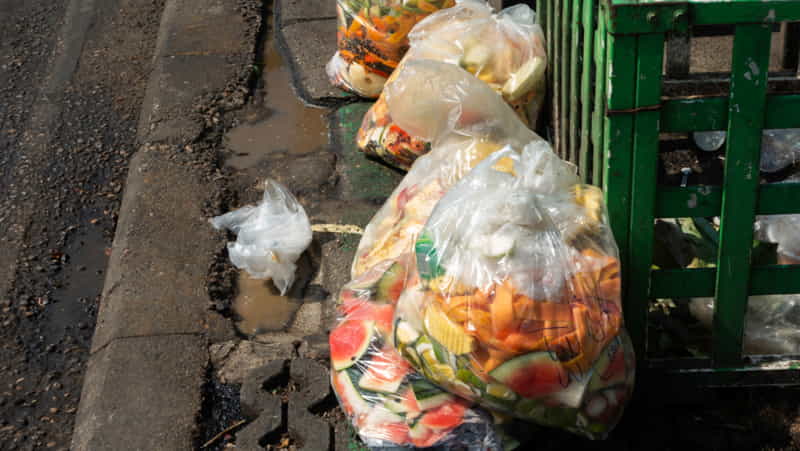
In April we celebrate Food Waste Prevention Week. According to Feeding America, “each year, 119 billion pounds of food is wasted in the United States. That equates to 130 billion meals and more than $408 billion in food thrown away each year. Shockingly, nearly 40% of all food in America is wasted.”
Waste happens at every stage of production (from the point where food is produced until after the dinner dishes have been cleared). Many organizations are working to reduce food waste, but everybody can chip in.
Our team of NYC dietitian nutritionists got together to come up with this list of ways to help you reduce food waste and, in turn, save money.
- Plan meals: Plan your meals for the week ahead of time and make a grocery list, so you buy only what you need. Look through your pantry, freezer, and fridge before shopping to make sure you use older foods and products first. This is also a great way to stick to any nutrition or diet plans you have, taking away the “craving” factor.
- Buy only what you need: Buy only the amount of food you will eat, and avoid bulk buying perishable items. Remember, steer clear of the center isles of the grocery store. Stick to the perimeter.
- Store food properly: Store food in the right place and at the right temperature to keep it fresh for longer. For example, keep fruits and vegetables in the refrigerator and store dry goods like grains and pasta in airtight containers.
- Use leftovers creatively: Use leftover food to create new meals, such as turning leftover vegetables into soup, or using leftover rice to make fried rice.
- Freeze excess food: If you have excess food that you can’t eat before it goes bad, freeze it to use later. If you have extra fruits, cut them up and freeze them to later make smoothies, muffins, or cakes. The same with vegetables. Put them in your food processor and add them to soups and pasta sauces.
- Donate excess food: If you have excess food that you can’t eat or freeze, donate it to a food bank or a local shelter. Try MealConnect , and they can contact you with a local food bank. Many of their volunteers will come and pick up the food if you’re a match.
- Compost food scraps: Composting can reduce food waste and create nutrient-rich soil for gardening.
Reducing food waste matters. It affects everything around us.
- Environmental impact: When food waste goes to landfill, it decomposes and releases methane, a potent greenhouse gas that contributes to climate change. Additionally, resources such as water, energy, and land are used to produce, process, and transport food, and wasted food represents a loss of these resources.
- Economic impact: Food waste represents a significant economic loss at all stages of the food supply chain, from farm to table. Reducing food waste can save money for both households and businesses.
- Food security: Reducing food waste can help feed more people by redirecting edible food to those in need, rather than allowing it to go to waste.
- Ethical considerations: When food is wasted, it means that resources used to produce it are also wasted. This is particularly concerning given that millions of people worldwide experience food insecurity and struggle to access enough nutritious food.
Be mindful of what’s in your shopping cart, in your fridge, pantry, and on your plate. By making small steps to reduce food waste, you can probably have a zero-waste household!
Here are some organizations that are working in the New York City area to reduce food waste and provide consumers with great food options at great prices.
Imperfect Foods
The Ugly Company whose mission is to reduce food waste. “We prevent food waste by upcycling ugly fruit and transforming it into healthy dried fruit snacks.”
The Misfits Market